OnThisVerySpot Fibertel: How Location-Based Discovery Meets Fast Digital Connectivity

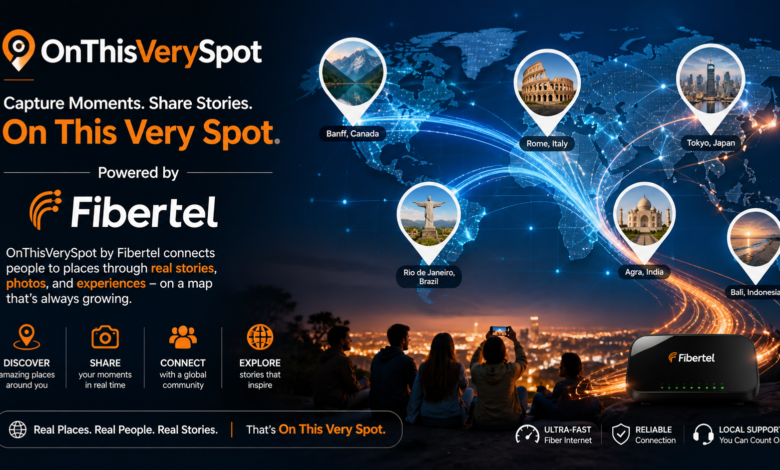
Before we go deep, one important note: “OnThisVerySpot Fibertel” is not clearly documented as one official product across the web. Some sources describe OnThisVerySpot as a location/history discovery concept, while others connect the phrase with fiber internet, AR experiences, or map-based digital tools. OnThisVerySpot itself has been described as a “reverse travel guide” for finding real-world places connected to famous people, things, and events. Fibertel, separately, is known as a former Argentine internet provider brand now associated with Personal/Telecom Argentina’s internet services.
What Is OnThisVerySpot Fibertel?
OnThisVerySpot Fibertel can be understood as a modern digital concept that combines two powerful ideas: location-based discovery and fast internet connectivity. The phrase suggests an experience where users can explore places, stories, history, or interactive digital content from a specific real-world location while relying on a strong internet connection to make everything smooth.
The “OnThisVerySpot” part points toward place-based storytelling. Instead of simply reading about an event, person, landmark, or memory, users are encouraged to connect that information to the exact spot where something happened. That makes learning more visual, personal, and engaging because the location becomes part of the experience.
The “Fibertel” part brings in the idea of high-speed connectivity. Whether someone is using maps, AR, Street View, location-based games, or interactive travel content, the experience depends heavily on internet speed and stability. Without a reliable connection, images load slowly, maps freeze, and the entire experience feels broken.
Why Location-Based Experiences Are Becoming Popular
OnThisVerySpot Fibertel no longer want basic online information only. They want content that feels connected to real life. A simple article about a historic place is useful, but an interactive map, AR layer, or exact location view makes the same information much more exciting.
This is where a concept like OnThisVerySpot Fibertel becomes interesting. It fits the modern habit of exploring the world through phones, maps, digital guides, and location-aware platforms. Instead of asking, “What happened here?” users can open a tool and instantly get context about the exact place around them.
This style of discovery is useful for travelers, students, history lovers, tourists, and even casual users who enjoy exploring new places online. It turns ordinary locations into digital story points. A street corner, building, park, or monument can become more meaningful when users understand what happened there and why it matters.
How Fibertel Fits Into the Concept
Fibertel is strongly connected with internet access, especially in Argentina’s broadband history. The brand was widely known as an internet service provider, and today Personal’s official website still refers to home internet as “ex Fibertel,” showing the brand’s continued recognition among users.
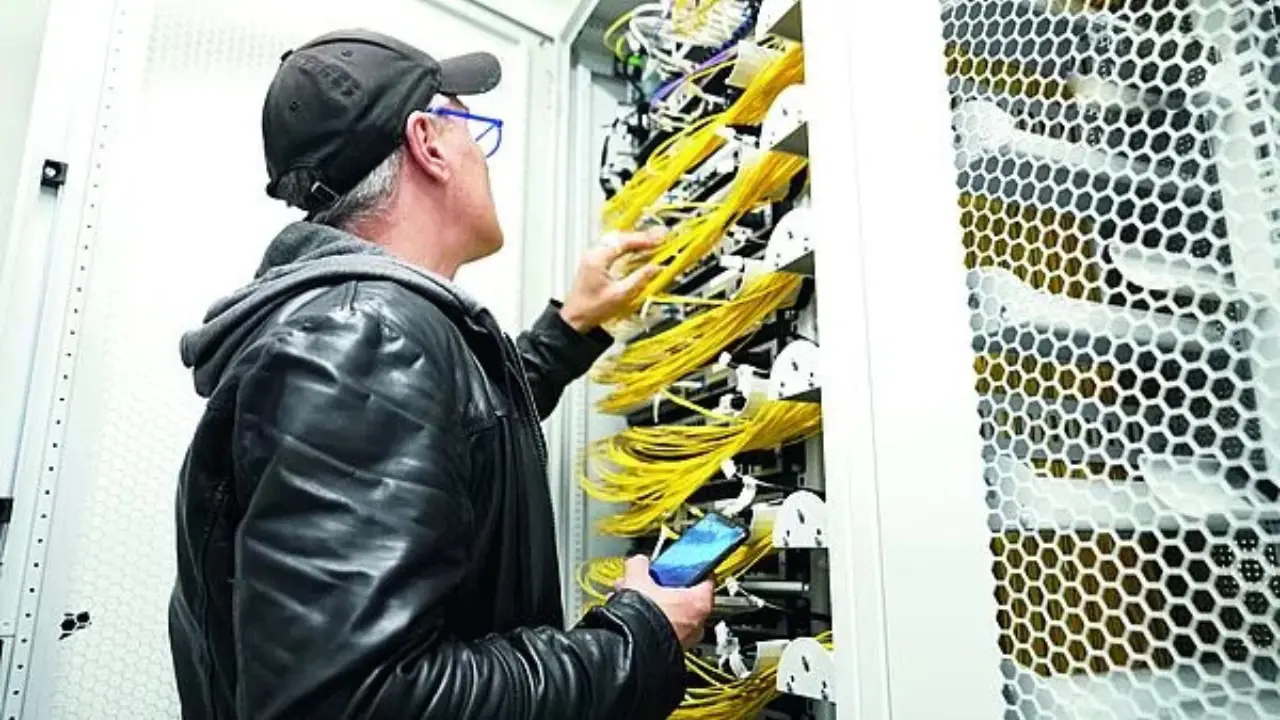
In the context of OnThisVerySpot Fibertel, the internet connection is not just a background detail. It is the base that allows location-based content to load quickly. Street View scenes, AR overlays, videos, historical images, and interactive maps all require stable data transfer.
A weak connection can ruin the experience. If a map takes too long to open or an AR feature freezes, the user loses interest. A faster connection helps the platform feel natural. The user taps, moves, explores, and receives information without waiting too long.
Possible Features of OnThisVerySpot Fibertel
One possible feature is interactive location mapping. Users could search for a place and see important events, people, or stories linked to that location. This would be especially useful for travel blogs, historical archives, educational apps, and city guides.
Another feature could be AR-based exploration. Some online articles describe OnThisVerySpot Fibertel as a way to transform locations into interactive AR experiences. While these descriptions vary, the idea is simple: point your device at a location and see digital information layered over the real world.
A third feature could be real-time place discovery. For example, a user walking through a city could receive nearby facts, famous events, old photos, or cultural notes. This would make everyday movement more informative and entertaining, especially in historic districts, museums, campuses, or tourist areas.
Benefits for Everyday Users
The biggest benefit is convenience. Users do not need to search multiple websites to understand a place. A location-based system can bring relevant information directly to them based on where they are or what place they are exploring online.
Another benefit is better engagement. People remember information more easily when it is connected to a real place. Reading that something happened “on this very spot” makes the story feel more direct than reading a general summary. It creates a stronger mental connection.
The third benefit is smoother digital performance when supported by fast internet. Location tools often use heavy data such as maps, images, videos, and 3D views. A strong connection helps users enjoy the experience without constant buffering or broken loading screens.
Benefits for Businesses and Education
Businesses can use this type of concept for tourism, local marketing, museums, real estate, events, and hospitality. A hotel, for example, could guide guests to nearby historical spots. A city tour company could create an interactive walking route. A museum could add digital layers to exhibits.
For education, OnThisVerySpot Fibertel-style tools can make history, geography, and culture more practical. Students can connect lessons with real places instead of only reading textbook paragraphs. This makes learning more active and easier to understand.
Local businesses could also benefit from location-triggered content. A restaurant near a famous landmark could appear in a digital guide. A shop in a historic area could share its story. This creates a bridge between online discovery and real-world visits.
Challenges and Limitations
The first challenge is clarity. Because “OnThisVerySpot Fibertel” is described differently across online sources, users may not immediately understand whether it means a product, a platform, a keyword, a service idea, or a content concept. That confusion can hurt trust if the explanation is not clear.
The second challenge is technical performance. Location-based tools need accurate maps, updated data, mobile optimization, and strong internet support. If any of these parts fail, the user experience becomes frustrating. A good idea still needs reliable execution.
The third challenge is data accuracy. If the platform shares historical or location-based facts, the information must be verified. Wrong dates, incorrect places, or exaggerated claims can damage credibility. For expert-level content, accuracy matters as much as design.
What Users Should Know Before Using It
Users should understand that location-based tools often depend on permissions. If an app or website needs your current location, it may ask for access through your browser or phone settings. Always review permissions before allowing location tracking.
Users should also know that performance depends on both the platform and the connection. Even a well-designed map or AR tool can feel slow on poor internet. On the other hand, fast internet can make interactive features feel smooth and natural.
Finally, users should check whether the information comes from a trusted source. Since some pages online use the keyword in different ways, it is better to treat OnThisVerySpot Fibertel as a broad digital-location concept unless a specific official service is clearly identified.
Future of OnThisVerySpot Fibertel
The future of location-based digital experiences looks promising because people are already comfortable using maps, mobile guides, and real-time navigation. The next step is adding richer content to those locations, such as stories, videos, AR visuals, and personalized recommendations.
A concept like OnThisVerySpot Fibertel could become valuable if it combines accurate place-based information with fast, stable connectivity. That mix would be useful for tourism, education, gaming, local search, and digital storytelling.
As AR glasses, smarter phones, and faster networks become more common, location-based discovery may feel even more natural. Instead of searching for information manually, users may simply look at a place and instantly receive useful context.
Conclusion
OnThisVerySpot Fibertel is best understood as a blend of place-based discovery and high-speed digital connectivity. The phrase connects the idea of exploring meaningful real-world locations with the internet performance needed to make that exploration smooth and interactive.
Its strongest value comes from turning ordinary places into informative digital experiences. Whether used for travel, education, local marketing, or entertainment, the concept shows how location and connectivity can work together.