
Blog ThriftyEventsNet an event can feel exciting at first, but once the budgeting starts, things often become stressful. From venue costs to decorations, catering, and entertainment, expenses can quickly spiral out of control. This is exactly why many people are now searching for practical event-planning resources that focus on affordability without sacrificing quality. One platform that has gained attention in this space is “blog thriftyeventsnet.”
The blog has become a useful destination for readers who want realistic event-planning advice, creative ideas, and money-saving strategies. Whether someone is organizing a wedding, birthday celebration, business event, baby shower, or community gathering, the platform offers practical solutions that are easy to apply in real life.
What makes blog thriftyeventsnet stand out is its balanced approach. It does not promote unrealistic luxury trends that most people cannot afford. Instead, it focuses on helping readers create memorable experiences while staying within a comfortable budget. That combination of creativity and financial awareness is what has made the blog increasingly popular among modern event planners and everyday hosts alike.
What Is Blog ThriftyEventsNet?
Blog thriftyeventsnet is an event-planning resource that focuses primarily on affordable and practical event management ideas. The platform provides guides, planning strategies, budgeting advice, and creative inspiration for various kinds of events. Rather than encouraging overspending, the blog teaches readers how to maximize value while still creating stylish and enjoyable experiences.
One reason the blog resonates with readers is because it feels approachable. Many event-planning websites focus heavily on luxury aesthetics, high-end venues, and expensive services. While those ideas may look appealing online, they are often unrealistic for average households. Blog thriftyeventsnet takes a more grounded approach by offering solutions that everyday people can actually use.
Another important aspect of the platform is its versatility. The content is not limited to one type of event. Readers can find ideas for weddings, corporate events, family celebrations, holiday parties, and even small gatherings at home. This wide variety makes the blog useful for different audiences with different budgets and needs.
The tone of the content also contributes to its popularity. The writing style tends to feel practical and conversational instead of overly technical. Readers often appreciate advice that sounds realistic rather than overly polished or promotional. That expert-yet-casual balance helps build trust with the audience.
Why Budget-Friendly Event Planning Matters More Than Ever
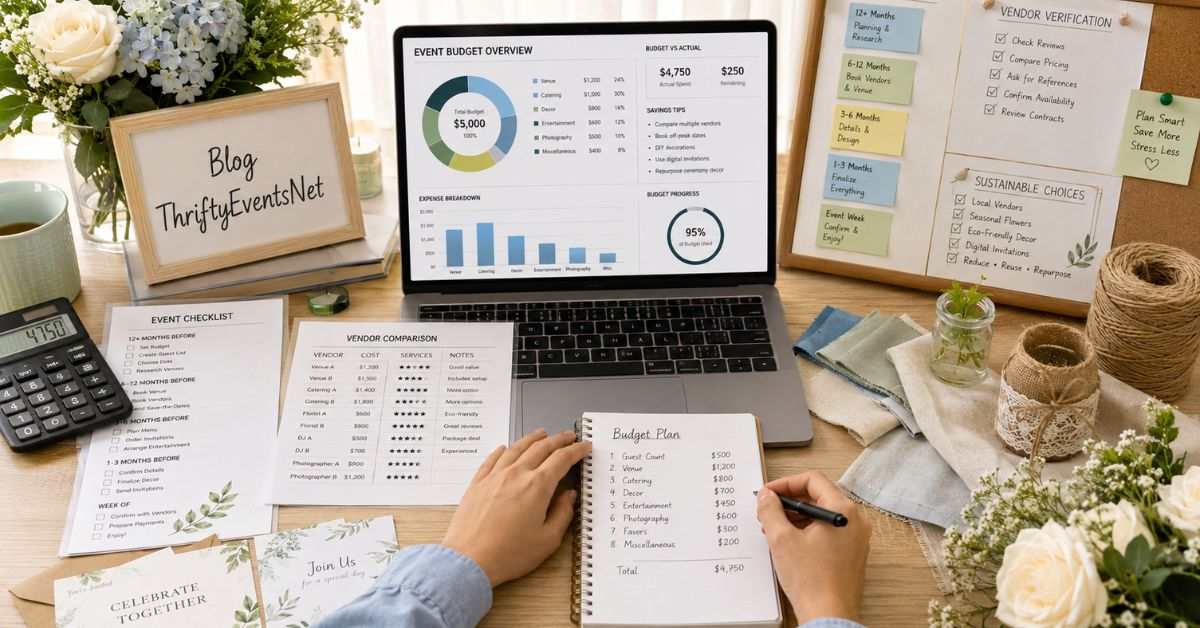
In Blog ThriftyEventsNet economy, many people are becoming more careful about how they spend money. Event costs have increased significantly in recent years, especially for weddings and large social gatherings. Venue rentals, catering prices, and entertainment services can consume a huge portion of a person’s savings if not managed carefully.
This financial pressure has created a growing demand for affordable event-planning resources. People no longer want to spend excessively just to impress guests for a single day. Instead, they want meaningful experiences that feel personal and memorable without causing long-term financial stress. Blog thriftyeventsnet addresses this exact concern by promoting smarter planning strategies.
Another reason budget-conscious planning is important is because it encourages creativity. When planners work with limited resources, they often discover more personalized and unique ideas. Handmade decorations, DIY centerpieces, digital invitations, and local vendors can sometimes create a warmer atmosphere than expensive commercial packages.
The blog also highlights the importance of prioritizing experiences over appearances. Guests usually remember the atmosphere, organization, and emotional connection of an event more than costly decorations. This perspective helps readers focus on what truly matters instead of feeling pressured by social media trends and unrealistic expectations.
The Best Features of Blog ThriftyEventsNet
One of the strongest features of blog thriftyeventsnet is its focus on actionable advice. Many articles provide step-by-step tips that readers can apply immediately. Instead of vague inspiration, the blog often includes practical suggestions for budgeting, scheduling, decorating, and vendor selection.
Another valuable feature is the blog’s emphasis on DIY solutions. DIY event planning has become extremely popular because it reduces costs while adding a personal touch. Readers can find creative ideas for homemade décor, inexpensive party favors, themed table setups, and customized invitations. These ideas help transform simple gatherings into memorable events without requiring huge investments.
The blog also appears to prioritize flexibility. Not every event has the same budget or goals, so the advice is usually adaptable. A reader planning a small family birthday can still benefit from the same budgeting principles used for larger events. This broad usability increases the platform’s appeal.
Additionally, blog thriftyeventsnet often discusses time management and organization, which are just as important as budgeting. Many event problems happen because of poor planning rather than lack of money. By teaching readers how to create timelines, manage guest lists, and avoid last-minute stress, the blog offers a more complete event-planning approach.
How Blog ThriftyEventsNet Helps With Weddings
Weddings are one of the most expensive events people plan, which is why affordable wedding advice is always in demand. Blog thriftyeventsnet provides readers with realistic wedding-planning strategies that focus on reducing unnecessary expenses while maintaining elegance and style.
For example, the blog often encourages couples to prioritize their spending. Instead of overspending on every detail, couples are advised to focus on the areas that matter most to them personally. Some may value photography, while others may prioritize food or music. This approach helps prevent wasteful spending on less important elements.
The blog also promotes alternatives to traditional wedding trends. Hosting smaller ceremonies, choosing off-season dates, using local vendors, or selecting non-traditional venues can significantly lower costs. These ideas are especially useful for modern couples who want meaningful weddings without financial pressure.
Another useful aspect is the discussion of DIY wedding décor. Personalized decorations, handmade centerpieces, and customized seating arrangements can create a warm and memorable environment while saving money. Blog thriftyeventsnet demonstrates that thoughtful creativity can often replace expensive luxury items.
Event Planning Tips That Readers Love
One reason readers continue returning to blog thriftyeventsnet is because of the practical planning tips shared throughout the content. These suggestions are often simple but highly effective, especially for people with limited event-planning experience.
A frequently mentioned tip is setting a firm budget before making any purchases. Many people begin planning without understanding their total spending limits, which often leads to overspending later. The blog encourages readers to divide their budget into categories such as food, venue, decorations, and entertainment from the beginning.
Another popular recommendation involves simplifying guest lists. Larger guest counts increase costs dramatically, especially for catering and seating arrangements. The blog explains that smaller gatherings often create more meaningful interactions while helping hosts maintain financial control.
Time management is another key area. Readers are encouraged to plan early, compare vendor prices, and avoid last-minute bookings. Waiting too long can result in higher prices and fewer options. Proper scheduling not only saves money but also reduces stress during the planning process.
The blog also promotes sustainability, which has become increasingly important in modern event planning. Reusable decorations, digital invitations, and locally sourced supplies help reduce both environmental impact and unnecessary expenses.
The Growing Popularity of Affordable Lifestyle Content
The success of blog thriftyeventsnet reflects a larger shift happening online. More audiences are now interested in practical lifestyle content instead of unrealistic luxury-focused media. People appreciate advice that feels achievable and relevant to their daily lives.
Social media has played a major role in this shift. While platforms like Instagram and Pinterest showcase visually impressive events, they can also create pressure to spend excessively. Many users are now seeking alternative resources that offer realistic solutions rather than unattainable perfection.
Affordable lifestyle blogs are becoming popular because they provide value beyond aesthetics. They teach readers how to manage resources wisely while still enjoying meaningful experiences. Blog thriftyeventsnet fits perfectly within this growing trend by combining creativity with financial awareness.
Another factor contributing to the blog’s popularity is the rise of DIY culture. Many people enjoy creating personalized experiences instead of relying entirely on commercial services. DIY projects often feel more authentic and emotionally meaningful, especially during family celebrations and milestone events.
Final Thoughts on Blog ThriftyEventsNet
Blog thriftyeventsnet has established itself as a valuable resource for anyone interested in affordable and practical event planning. Its focus on budgeting, creativity, organization, and realistic advice makes it especially useful in today’s financially conscious environment.
The platform proves that successful events do not always require enormous budgets. With careful planning, thoughtful priorities, and creative ideas, hosts can create memorable experiences without overspending. That message resonates strongly with modern readers who value both quality and financial responsibility.
What truly makes the blog effective is its balance between expertise and accessibility. The advice feels informed and professional while remaining easy to understand and apply. Readers are not overwhelmed with unrealistic expectations or complicated strategies. Instead, they receive practical guidance that works for real-life situations.
Also Read: Resident Wiufamcta Jivbcqu