Winkelbohrspindel: Everything You Need to Know About This Precision Engineering Tool

Introduction to Winkelbohrspindel
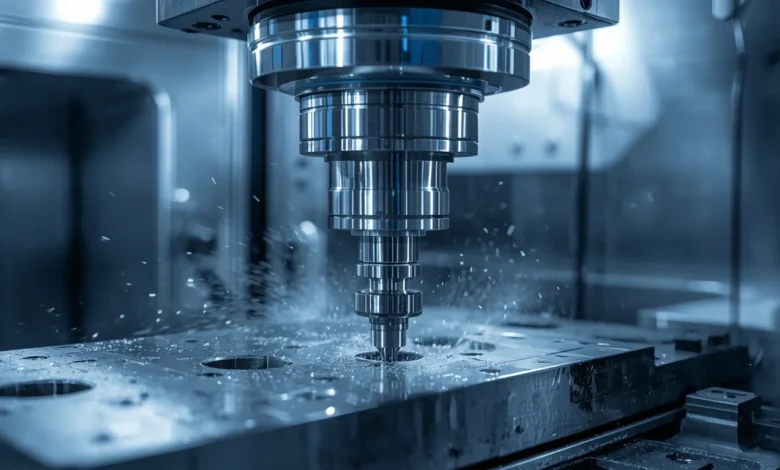
The term “winkelbohrspindel” may sound highly technical to people outside the manufacturing or engineering industries, but it plays a very important role in precision machining and industrial production. In simple terms, a winkelbohrspindel is an angular drilling spindle used to drill holes in difficult-to-reach positions where a standard drilling setup cannot operate efficiently. These tools are commonly found in CNC machining centers, automotive manufacturing plants, aerospace workshops, and metal fabrication industries.
Modern manufacturing demands extreme precision, especially when components contain complex geometries or limited-access drilling points. A winkelbohrspindel solves these challenges by changing the angle of drilling without requiring the entire workpiece to be repositioned. This saves both time and production costs while improving machining accuracy. Because of this efficiency, many industrial operations rely heavily on these specialized spindle systems.
As production technologies continue evolving, the importance of specialized tools like the winkelbohrspindel keeps increasing. Manufacturers are constantly looking for ways to speed up production while maintaining tight tolerances. Angular drilling spindles have become a practical solution for achieving both objectives simultaneously. Their flexibility and reliability make them valuable assets in high-performance machining environments.
How a Winkelbohrspindel Works
A winkelbohrspindel operates by redirecting rotational force through an angled mechanism. Instead of drilling straight down like a conventional spindle, it allows drilling operations to occur at various angles. This is typically achieved through precision-engineered gears or bevel gear systems that transfer rotational motion from the machine spindle to the angled drilling head.
The internal design of a winkelbohrspindel is engineered for both durability and precision. Since these tools often operate under heavy loads and high speeds, the internal components must resist heat, friction, and vibration. High-quality bearings and hardened gears are usually integrated into the assembly to ensure smooth performance over long operating periods. The overall construction is designed to minimize inaccuracies during drilling operations.
Another important aspect of how these spindles function is compatibility with CNC systems. Many modern winkelbohrspindel models are designed specifically for automated machining centers. Operators can program drilling angles and movements directly into the machine software, allowing for highly repeatable and consistent production processes. This automation significantly improves manufacturing efficiency while reducing the chances of human error.
Main Applications of Winkelbohrspindel
One of the primary applications of a winkelbohrspindel is in the automotive industry. Engine blocks, transmission housings, and suspension components often require angled drilling operations that cannot be achieved easily with standard tools. Using an angular spindle allows manufacturers to perform these operations quickly without repeatedly repositioning large components on the production line.
The aerospace sector also relies heavily on precision angular drilling systems. Aircraft components are known for their complex shapes and strict tolerance requirements. A winkelbohrspindel enables machinists to reach confined areas while maintaining the precision necessary for aerospace safety standards. This makes the tool highly valuable in aircraft frame construction and turbine manufacturing.
In addition to automotive and aerospace manufacturing, these spindles are widely used in general metalworking industries. Furniture hardware production, mold making, industrial machinery construction, and even medical device manufacturing may involve difficult drilling angles. The flexibility offered by a winkelbohrspindel makes it useful in virtually any industry where precision drilling in tight spaces is required.
Advantages of Using a Winkelbohrspindel
One of the biggest advantages of using a winkelbohrspindel is increased machining flexibility. Traditional drilling methods often require repositioning the workpiece multiple times to achieve different drilling angles. This process consumes valuable production time and increases the risk of alignment errors. An angular spindle eliminates many of these complications by allowing direct access to difficult drilling points.
Another major benefit is improved productivity. Since operators spend less time adjusting machine setups, production cycles become significantly shorter. In large-scale manufacturing environments, even a small reduction in machining time can lead to substantial cost savings over thousands of produced parts. This efficiency improvement is one of the main reasons why industries continue investing in advanced spindle technologies.
Accuracy is another important advantage. A properly designed winkelbohrspindel provides stable and precise drilling performance even at challenging angles. This precision reduces material waste and lowers the likelihood of defective parts. In industries where tight tolerances are critical, such as aerospace or medical manufacturing, maintaining consistent accuracy is absolutely essential.
Different Types of Winkelbohrspindel
There are several types of winkelbohrspindel available depending on the intended application. Fixed-angle spindles are among the most common designs. These spindles operate at a predetermined angle and are typically used for repetitive production tasks where the drilling angle does not change frequently. Their simple design often makes them highly reliable and cost-effective.
Adjustable-angle spindles offer greater flexibility. Operators can modify the drilling angle according to the specific machining requirement. These systems are particularly useful in workshops that handle customized or low-volume production projects. Although they may be more expensive than fixed-angle models, their versatility makes them valuable in diverse machining environments.
High-speed winkelbohrspindel systems are designed for advanced CNC machining operations where rapid production is essential. These models can handle extremely high rotational speeds while maintaining precision and stability. They are often equipped with advanced cooling systems and high-performance materials to withstand the demanding conditions of modern industrial manufacturing.
Factors to Consider Before Buying a Winkelbohrspindel
Before purchasing a winkelbohrspindel, it is important to evaluate compatibility with the existing machining equipment. Different CNC machines and drilling systems may require specific spindle interfaces or mounting standards. Ensuring proper compatibility helps avoid operational problems and unnecessary modifications during installation.
Another important factor is spindle speed and torque capacity. Different materials require different drilling conditions. For example, aluminum machining may prioritize higher speeds, while steel machining often requires greater torque. Selecting the correct spindle specifications ensures optimal performance and extends the lifespan of the tool.
Build quality should also be carefully considered. Industrial machining environments expose tools to intense mechanical stress, vibration, and heat. A high-quality winkelbohrspindel manufactured with durable materials and precision components will provide better reliability and lower maintenance costs over time. Investing in quality equipment often leads to better long-term productivity.
Maintenance and Care Tips
Proper maintenance is essential for maximizing the lifespan of a winkelbohrspindel. Regular lubrication of internal components helps reduce friction and prevents premature wear. Many spindle failures occur due to inadequate lubrication, especially in high-speed industrial environments where heat generation is significant.
Routine inspection is equally important. Operators should periodically check bearings, gears, seals, and mounting components for signs of wear or damage. Detecting small problems early can prevent expensive repairs or unexpected machine downtime later. Preventive maintenance programs are commonly used in industrial facilities to maintain consistent spindle performance.
Cleaning also plays a major role in spindle longevity. Metal chips, dust, and coolant residue can accumulate around the spindle assembly during machining operations. Keeping the tool clean helps maintain precision and reduces contamination-related wear. A well-maintained winkelbohrspindel not only performs better but also contributes to higher production quality.
The Future of Winkelbohrspindel Technology
The future of winkelbohrspindel technology is closely connected to advancements in automation and smart manufacturing. Modern industrial systems increasingly rely on sensors, AI-driven monitoring, and automated machining optimization. Future spindle designs are expected to include integrated diagnostic systems capable of detecting wear patterns and performance issues in real time.
Another emerging trend is the use of lightweight yet highly durable materials. Manufacturers are experimenting with advanced alloys and composite materials to reduce spindle weight while maintaining strength and rigidity. Lighter spindle systems can improve machine efficiency and reduce energy consumption during high-speed operations.
Digital manufacturing and Industry 4.0 technologies will likely continue shaping the development of angular drilling spindles. As factories become more connected and automated, intelligent spindle systems capable of communicating with CNC controllers and maintenance software will become increasingly common. This evolution will further improve productivity, reliability, and machining precision across industrial sectors.
Conclusion
The winkelbohrspindel is far more than just a specialized industrial accessory. It is a highly valuable precision tool that helps manufacturers overcome complex drilling challenges in modern machining environments. From automotive production to aerospace engineering, these angular drilling spindles provide the flexibility and efficiency needed for advanced manufacturing operations.
Their ability to improve productivity, enhance drilling accuracy, and simplify machining processes makes them essential in many industries. Whether used in high-volume automated factories or specialized custom workshops, a quality winkelbohrspindel can significantly improve operational performance and reduce production costs.
Also Read: Optiondiv4