Panorama of World Alaikas: Exploring the Beauty and Significance of Alaikas Across the Globe

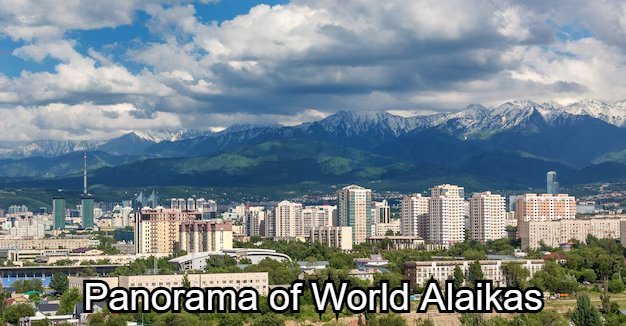
Panorama of World Alaikas are a fascinating and beautiful subject that many people from different cultures and regions around the world find captivating. They represent a unique element of architecture, art, or culture that connects people to the past and preserves cultural heritage. The term “Alaikas” might be new to some, but its significance in various regions has made it an important point of interest in global culture. In this article, we’ll explore the panorama of world Alaikas, diving into their history, significance, and how they are represented across different parts of the world.
What are Panorama of World Alaikas?
Panorama of World Alaikas, depending on the region, can refer to various concepts such as artistic styles, architectural structures, or cultural phenomena. In many cultures, an Alaika represents an art form that is rich in tradition, often intricately designed and tied to the region’s identity. In some cases, they might be symbols of heritage or key landmarks for communities that have evolved over centuries.
These majestic structures or pieces of art are often embedded with meaning, telling stories about the cultures they represent. It’s common to see Alaikas woven into the daily lives of those who encounter them. Whether as symbolic representations, functional objects, or pieces of visual art, they offer a unique insight into the collective histories of the people they belong to.
The Historical Roots of Panorama of World Alaikas
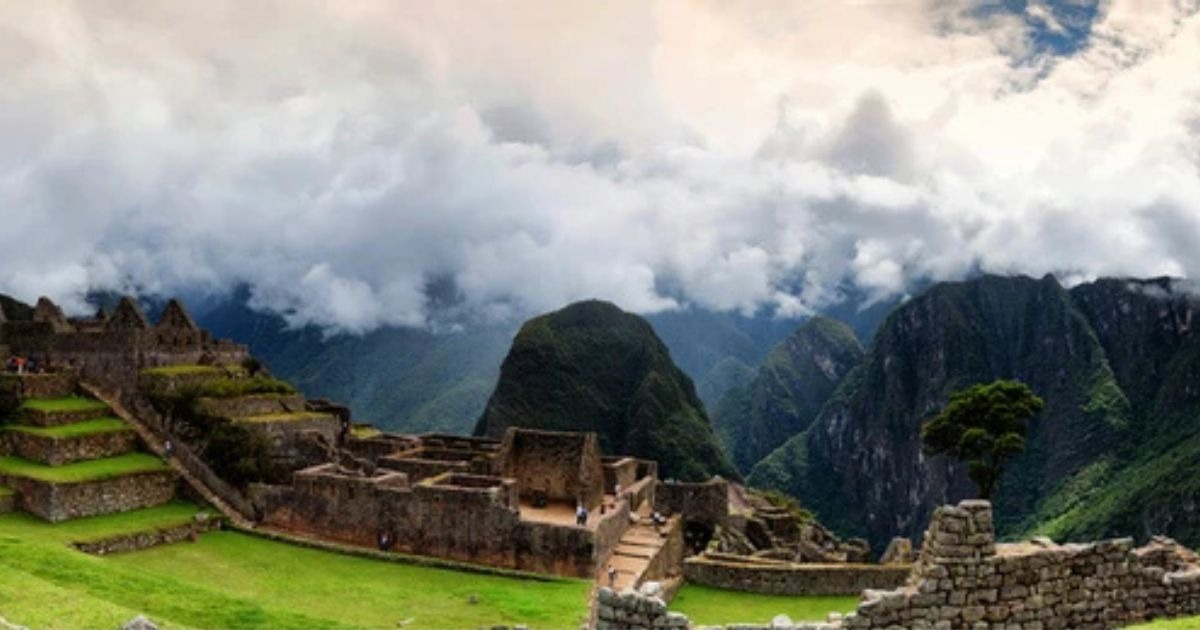
Panorama of World Alaikas have deep historical roots. Whether in the form of sculptures, buildings, or tapestries, these artworks have been passed down through generations, reflecting not just the aesthetic preferences of past societies, but also their beliefs, values, and struggles.
Historically, Alaikas began as objects of significance — they were often seen as integral to religious rituals or social ceremonies. Many cultures placed a high value on the art and architecture of Alaikas as a means of showcasing wealth, power, and cultural identity. Over time, these pieces evolved, adapting to changing artistic and architectural trends while retaining their original meanings.
From ancient temples to modern interpretations, the depiction and importance of Alaikas have changed but have remained a steady link to the past, often honoring the traditions of their creators.
Panorama of World Alaikas Around the World: A Global Panorama
The Middle East is home to some of the most revered Panorama of World Alaikas , which are often tied to religious practices and spirituality. In this region, an Alaika might take the form of an intricately designed mosaic, a minaret, or even an entire structure like a mosque. These pieces are considered sacred, serving both decorative and symbolic purposes. They are frequently used in prayer spaces to honor divine figures or celestial bodies.
The art of creating Alaikas in the Middle East is often marked by geometric precision and symmetry. This style emphasizes unity and divinity, often incorporating intricate tile work that tells stories from the Qur’an or Islamic history. In this context, the Alaika is more than just an artistic expression; it is a vehicle for devotion, an item that connects the believer to the divine.
Panorama of World Alaikas in Asia: Expressing Nature and Tranquility
In Asia, Panorama of World Alaikas are sometimes found in the form of serene landscape paintings or sculptures. Asian Alaikas often depict the beauty of nature, capturing serene landscapes, mountains, rivers, and animals. They convey a sense of harmony and tranquility, which is central to many Asian philosophies such as Buddhism and Taoism.
The use of nature in these works is symbolic of the balance that many Asian cultures strive to achieve in life. A good example of an Alaika in Asia would be the traditional Japanese Zen gardens, where every stone and plant placement is deliberate. These tranquil gardens serve as a place for meditation and reflection, offering peace and solace to those who visit.
Panorama of World Alaikas in Africa: Connecting the Past and Present
Africa is home to diverse cultures, and its interpretation of Alaikas reflects this diversity. In many African communities, an Alaika might refer to a carved wooden mask or a piece of jewelry, each with its own symbolism. These pieces often carry deep meanings, such as connecting the wearer to ancestral spirits or embodying aspects of the natural world, such as animals or trees.
In many African cultures, Alaikas serve as important components of ritual and ceremony. Whether worn during dance or placed on altars, these objects are deeply tied to the community’s understanding of spirituality and identity. They are revered not only for their beauty but for the historical significance they carry. For example, the Maasai people of East Africa are known for their intricate beadwork and decorative adornments, which have become symbols of their culture.
Panorama of World Alaikasin Europe: Masterpieces of Art and Architecture
In Europe, the concept of the Alaika is most frequently seen in its architectural forms. Some of the most famous buildings in Europe, such as the Gothic cathedrals of France or the Renaissance palaces of Italy, can be considered examples of Alaikas. These structures are celebrated not only for their artistic beauty but for their profound cultural and historical importance.
Alaikas in Europe are often seen as testaments to the genius of the artists and architects who designed them. The intricate designs, soaring spires, and detailed facades are not only architectural feats but also expressions of religious devotion and civic pride. For instance, the Alhambra in Spain stands as a monumental symbol of Islamic art and culture, showcasing magnificent intricate tile work, arches, and carvings.
Panorama of World Alaikas in the Americas: Cultural Fusion and Modernity
The Americas also offer a unique take on the Panorama of World Alaikas, with its own mix of indigenous, European, and African influences. In regions like Mexico and the Andes, Alaikas can be seen in the form of colorful murals, intricate pottery, and textile art that blend pre-Columbian traditions with colonial influences. These pieces often express both personal and societal struggles, depicting both everyday life and religious themes.
In contemporary art scenes, Alaikas have evolved, blending traditional techniques with modern elements. In cities like Buenos Aires or Mexico City, large murals and sculptures often draw from local history and culture, creating a blend of old and new. These modern interpretations of Alaikas continue to captivate the global art world, showing the continued relevance of these cultural symbols in contemporary society.
The Role of Alaikas in Cultural Preservation
Alaikas serve as invaluable tools for cultural preservation. In regions where these items are created and treasured, they play a crucial role in maintaining historical and cultural continuity. They are not just artifacts or pieces of art; they represent the essence of a community’s identity, its struggles, triumphs, and evolution.
By studying Alaikas, historians and archaeologists gain valuable insight into the traditions and customs of past civilizations. Each piece offers a window into the lives of those who created it, allowing modern generations to appreciate and understand their history.
The Future of Alaikas: A Living Tradition
While the styles and techniques used to create Alaikas may change, the tradition of crafting these works will continue to thrive. Modern-day artists and creators still look to the past, drawing inspiration from the centuries-old designs and cultural significance of Alaikas.
As the world continues to evolve, Alaikas will likely adapt as well. Today, we see the fusion of technology and tradition in art forms that keep the essence of Alaikas alive while embracing the future. Whether through virtual reality, digital artwork, or new forms of architectural design, the legacy of Alaikas will continue to resonate with generations to come.
Conclusion: A Global Celebration of Alaikas
The panorama of world Alaikas is a beautiful and diverse landscape. From the intricate tile work in the Middle East to the serene landscapes of Asia, the vibrant masks of Africa, the majestic architecture of Europe, and the colorful murals of the Americas, Alaikas represent the rich tapestry of human culture. Each piece tells a unique story, offering insights into the beliefs, values, and histories of the people who created them.
As we look to the future, it’s clear that Alaikas will continue to serve as a bridge between the past and the present, a living tradition that evolves with each generation. Whether you’re an art enthusiast, a historian, or simply someone who appreciates the beauty of culture, exploring the panorama of world Alaikas is a journey worth taking.